
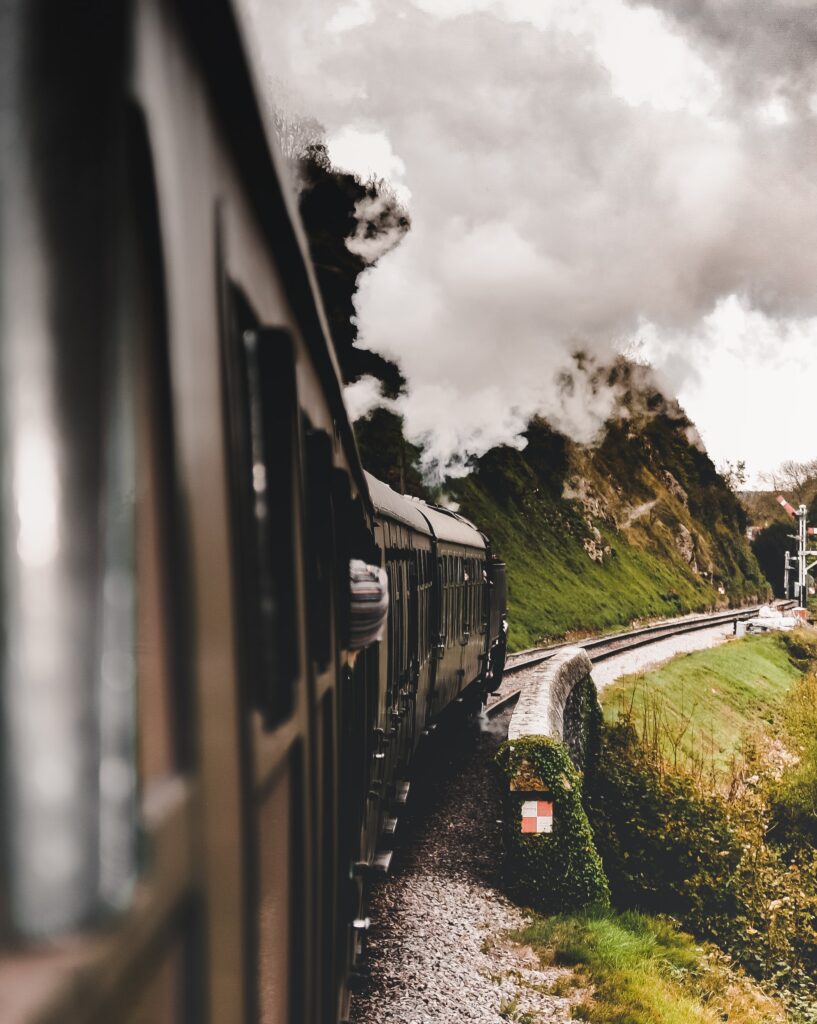
If there’s a more charming way to explore the English countryside than aboard a
gently chuffing steam train, puffing its way through rolling hills and flower-
fringed meadows, I’ve yet to find it. And few places do it better, or with more
historical zest than the Watercress Line, a living museum on rails that has made
the market town of Alresford its spiritual home.
The Watercress Line, formally known as the Mid Hants Railway, came into being
during that great Victorian boom time when Britain was being stitched together
with iron rails like a country-sized patchwork quilt. The line was authorised in
1861 and opened just four years later, connecting the towns of Alton and
Alresford to the cathedral city of Winchester. For a modest country railway, it did
rather a lot of heavy lifting quite literally, in fact.
Alresford, blessed with clear chalk streams and a knack for horticulture, became
famous for its watercress. This feisty little green peppery, nutritious, and
surprisingly demanding was harvested in great bunches and loaded onto the
waiting trains. From there, it made its way up to the clamorous markets of
London, including Covent Garden, and on occasion even reached as far afield as
Liverpool and Manchester. Hence the name: the Watercress Line. A humble
nickname, perhaps, but one carried with pride.
And it wasn’t just cress. The line served both passengers and freight, and during
more martial times it took on a new role, ferrying troops and matériel between the
military hub of Aldershot and the busy port of Southampton. But alas, the march
of progress is rarely kind to quaint rural lines. With the rise of motor transport
and the decline of branch railways, the Watercress Line began to wither, and
British Railways finally called time in 1973.
Thankfully, this is where the story gets cheerfully British. A plucky band of
enthusiasts equal parts engineers, dreamers, and history buffs refused to let
the line die. By 1977, steam trains were back in service between Alresford and
nearby Ropley, and over the following decade the line was extended all the way
back to Alton. Today, it’s a fully operational heritage railway, with lovingly
restored locomotives and volunteers who can probably recite the history of every
bolt on the track.
For Alresford, the railway is more than just an atmospheric photo opportunity,
it’s a beating heart of the community. It brings in some 125,000 visitors each
year, supporting local cafés, pubs, antique shops, and charming B&Bs. The town
itself is a delight: pastel Georgian houses, award-winning tea rooms, and the
irresistible lure of riverside walks. Every spring, Alresford throws a Watercress
Festival part street party, part foodie extravaganza, and part affectionate
homage to a crop that once helped feed a city.
So, whether you’re a trainspotter, a foodie, or simply a lover of England’s
idiosyncratic past, the Watercress Line and Alresford make a splendid detour.
Just don’t forget to try the sandwiches, preferably with a bit of cress. It seems
only polite.