
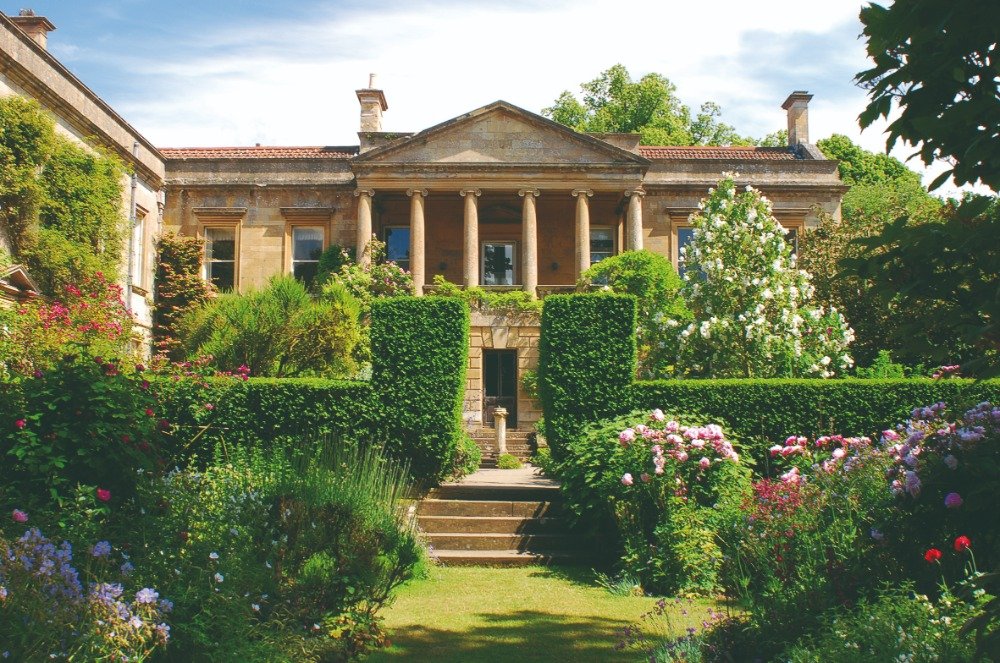
Roses, Rivalries, and Remarkable Women: The Feisty Female Gardeners
Who Changed Britain
Let’s begin with an indisputable truth: British gardens are, quite simply, the best
in the world. There, I said it. Now, before the French get up in arms with their
symmetrical, mathematically precise lawns and the Italians chime in about their
Renaissance fountains, let me introduce you to the unsung heroes of Britain’s
horticultural revolution—women.
Not just any women, mind you, but fierce, stubborn, impossibly creative, and
often brilliantly eccentric ones. The early 20th century saw an explosion of female
gardeners—artists with soil under their fingernails, poets with pruning shears,
and novelists who swapped typewriters for trowels. They weren’t just planting
flowers; they were challenging norms, shaping landscapes, and engaging in the
genteel but deeply competitive world of garden design. And, as in all the best
British stories, it involved deep friendships, a few rivalries, and more than a little
intrigue.
The Women Who Dug In (Literally)
Take Gertrude Jekyll, for instance. A woman who, despite being named after a
character in a horror story, was the undisputed queen of British gardening. She
designed over 400 gardens (yes, four hundred) and changed the way we think
about planting. Before Jekyll, most British gardens were either manicured formal
affairs or charming but chaotic wildernesses. Jekyll, with her painter’s eye,
brought order and artistry together, using swathes of colour like a painter’s
brushstrokes.
But while Jekyll was busy transforming gardens across Britain and beyond, a
different kind of revolution was happening at Kiftsgate Court, a steeply sloping
estate in Gloucestershire that would, under the hands of three generations of
women, become one of the most astonishing gardens in the country.
Kiftsgate and the Friendship that Grew It
Heather Muir arrived at Kiftsgate in the 1920s and, rather than resign herself to
the overgrown wilderness she inherited, she got to work. She was no Jekyll-
trained professional, but she had something just as important: an eye for beauty,
a love of plants, and an iron will. She also had friends in high places—most notably
Vita Sackville-West.
Now, if you don’t know Sackville-West, you should. She was a poet, a novelist, a
journalist, and—most importantly for our purposes—a gardener of dazzling
vision. Sissinghurst, her creation, remains one of the most visited gardens in
England. She was also, and I say this with the utmost admiration, delightfully
unconventional. She dressed in men’s clothing long before it was fashionable, had
high-profile romantic entanglements (including with Virginia Woolf), and, in her
spare time, essentially reinvented garden design.
It was Vita who planted the famous Kiftsgate Rose at Heather Muir’s garden.
This, incidentally, is no ordinary rose—it is a beast of a thing. If you ever find
yourself standing beneath the Kiftsgate Rose in full bloom, brace yourself. It is
enormous, a rambling monster that drapes itself over trees and walls, cascading
in great foaming waves of white. It is, frankly, showing off. And, much like its
planter, it does not apologize for taking up space.
Gardens, Gossip, and Literary Ties
The world of early 20th-century female gardeners was delightfully
interconnected. These women weren’t working in isolation; they were talking,
advising, arguing, and swapping plants like characters in a particularly well-bred
spy novel. Vita Sackville-West was writing passionate letters to Dorothy
Wellesley, another poet and garden lover, about the joys of digging in the dirt.
Heather Muir was taking inspiration from the Arts and Crafts movement.
Meanwhile, over in Barnsley, Rosemary Verey was planning the kind of sweeping,
timeless borders that would later inspire everyone from Prince Charles to
American garden designers who still name-drop her at dinner parties.
Even Beth Chatto, who came later and pioneered the philosophy of “right plant,
right place,” was, in a way, continuing this extraordinary lineage of female
gardeners. Chatto, ever practical, took a barren piece of land and transformed it
into a thriving oasis—proving that good gardening is not just about vision, but
about working with what you have (and a bit of bloody-minded determination).
The Austen Connection: Writing, Gardens, and Women Who Won’t Be
Ignored
Now, let’s tie this all back to another great woman whose influence lingers across
English gardens: Jane Austen. This year marks the 250th anniversary of her birth,
and if anyone understood the importance of a well-placed garden path and a
strategically positioned bench, it was Austen.
Austen’s heroines stroll through carefully curated landscapes, their lives
unfolding against the backdrop of walled gardens, tree-lined avenues, and the
occasional strategically placed folly. Her work, like the gardens of Sackville-West
and Jekyll, is about structure and wildness in equal measure. She understood, as
these gardeners did, that spaces—whether literary or horticultural—are shaped
by the hands of those who tend them.
And, much like the great female gardeners of the 20th century, Austen herself
was a woman who defied convention. She wrote at a time when women weren’t
supposed to have opinions, let alone publish books. And yet, here we are, two and
a half centuries later, still quoting her, still arguing about Mr. Darcy, and still
finding meaning in her work.
A Legacy in Bloom
So here’s to the women who shaped the British countryside, one flower bed, one
novel, one determined dig of the spade at a time. They planted more than
gardens; they planted ideas, inspiration, and a sense of possibility.
And as we walk through places like Kiftsgate, Sissinghurst, and Barnsley House, we are not
just admiring flowers—we are stepping into stories, into the lives of women who
refused to be confined, who took up space, and who made the world, quite
literally, a more beautiful place.