
The Ceremony, Traditions and Rituals of a Coronation
The coronation of a British monarch is a ceremonial event that has been steeped in tradition and symbolism for over a thousand years. At its core, the coronation represents the investiture of the monarch with divine authority to rule over the people of England.
And in England, there is no shortage of stories to tell.
Let us begin at the very beginning – with the coronation of William the Conqueror in 1066. An occasion that was full of apprehension and tension as the new Norman era began.
From there, the coronation became a regular fixture of English royal life, a chance for each new monarch to assert their divine right to rule. It was a time for pomp and circumstance, for the display of wealth and power, and for the reaffirmation of the monarch’s relationship with God.
Some coronations were more memorable than others, of course. The Tudor reigns of Henry VIII and Elizabeth were launched with hugely lavish coronations, in contrast with the more sombre affair of George VI, following the abdication of his brother, Edward VIII.
Traditions and Rituals
Over time, the coronation ritual evolved, with new traditions and customs added to the mix. One of the most enduring was the anointing of the monarch with holy oil, a symbol of their divine right to rule. This tradition dates back to the reign of King Edgar in the 10th century and has been a part of every coronation ceremony since.
Another important element of the coronation was the oath of allegiance, in which the monarch promised to uphold the laws and customs of the realm, and to govern with justice and mercy. This oath was taken on a Bible, which was placed in the monarch’s hands by the Archbishop of Canterbury.
But the coronation was not just a religious ceremony – it was also a political one. Over the centuries, the event became a platform for the monarch to make public declarations and assert their authority. For example, at the coronation of James II in 1685, the king made a controversial declaration of his intention to repeal laws that discriminated against Catholics. This led to a backlash from Protestant MPs and nobles and helped pave the way for James’s eventual downfall.
Today, the coronation remains an important tradition in English royal life, and for many of us, King Charles III coronation will be the first that we will witness, as the last one was held in 1953 for Queen Elizabeth II.
The Ceremony
The ceremony has changed over time to reflect modern sensibilities, but it still retains much of its old-world grandeur and solemnity.
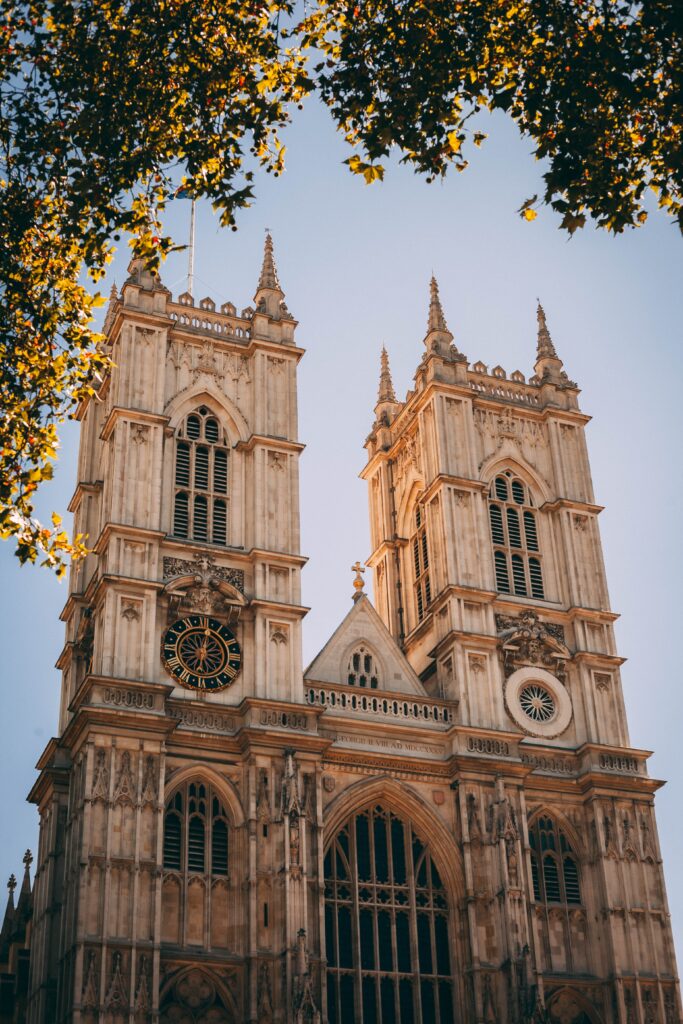
The coronation ceremony begins with a procession of the monarch and other dignitaries to Westminster Abbey, where the actual coronation takes place. The monarch is anointed with holy oil and receives various symbols of authority, such as a sceptre and a crown. During the ceremony, the monarch takes an oath to uphold the laws and customs of the realm and to rule justly and fairly.
The coronation has both political and religious significance. Politically, it symbolizes the transfer of power from one monarch to the next, and the recognition of the new monarch as the legitimate ruler of England. It also serves to reinforce the idea of the monarchy as an institution that is greater than any one individual, and as a unifying force for the nation.
Religiously, the coronation represents the anointing of the monarch with divine authority. This idea dates back to the medieval period, when monarchs were seen as God’s representatives on earth. The coronation also includes various religious elements, such as the recitation of prayers and the singing of hymns.
Overall, the British coronation is a complex and multi-layered event that represents the intersection of politics, religion, and tradition. It serves to reinforce the legitimacy of the monarchy and the idea of the monarch as a figurehead for the nation.